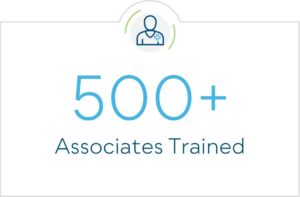
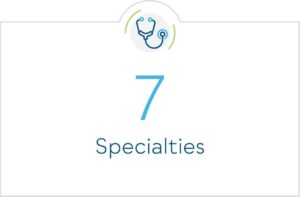
The Adventist Health Corporate Office in Roseville has updated its facility to include a simulation lab, providing nursing students with the opportunity to develop real-world decision-making skills and improve patient care. The Transition in Practice (TIP) program helps experienced nurses move into new clinical specialties while staying within their organization. As of late 2026, more than 500 associates have completed specialty transition training through the TIP programs. As part of the Roseville TIP program, nurses use the simulation lab to pursue specialties and advance their professional growth. The simulation lab provides nurses with a safe, realistic environment to practice essential skills, strengthen critical thinking and build confidence without the risks that come with treating a real patient. It includes high-fidelity simulation mannequins and replicas of hospital rooms, emergency departments, intensive care units and operating rooms. The program currently offers transition pathways across seven specialties, including Cardiac Catheterization Lab Intensive, Critical Care, Emergency Department, NICU, OB/GYN, Operating Room and the Scrub Tech Program. The simulation center also features dedicated decontamination and sterilization training capabilities that replicate real-world sterile processing and prepare participants for certification. In addition, the center has expanded medication safety training capabilities, advanced patient care technologies, procedural skills education, perioperative training resources and multiple high-fidelity simulators representing a wide range of patient populations from neonates to geriatric adults.
Why we did it
Health Resources and Services Administration (HRSA) data shows that the U.S. is facing healthcare workforce shortages, especially in rural and medically underserved communities. To help meet this challenge, Adventist Health is investing in training, pipeline, and professional development programs, one of which is its simulation lab. While hands-on clinical experience is important, many high-risk or rarely encountered situations simply don’t occur often enough for nurses or new graduates to master them in everyday care. The simulation lab helps bridge that gap by supporting a realistic learning environment that integrates clinical technologies and specialty equipment. It allows trauma-certified nurses and emergency department technicians to strengthen critical decision-making, communication and interdisciplinary teamwork through realistic trauma scenarios.